Geopolitical tensions accelerate global shift to electric power
In a striking echo of a past energy crisis, a speech delivered by former US President Jimmy Carter in 1979 regarding solar energy’s potential is gaining renewed relevance. Carter, standing before a newly installed solar hot water system at the White House, proclaimed, “Solar energy will not pollute our air or water. We will not run short of it. No one can ever embargo the Sun or interrupt its delivery to us.”
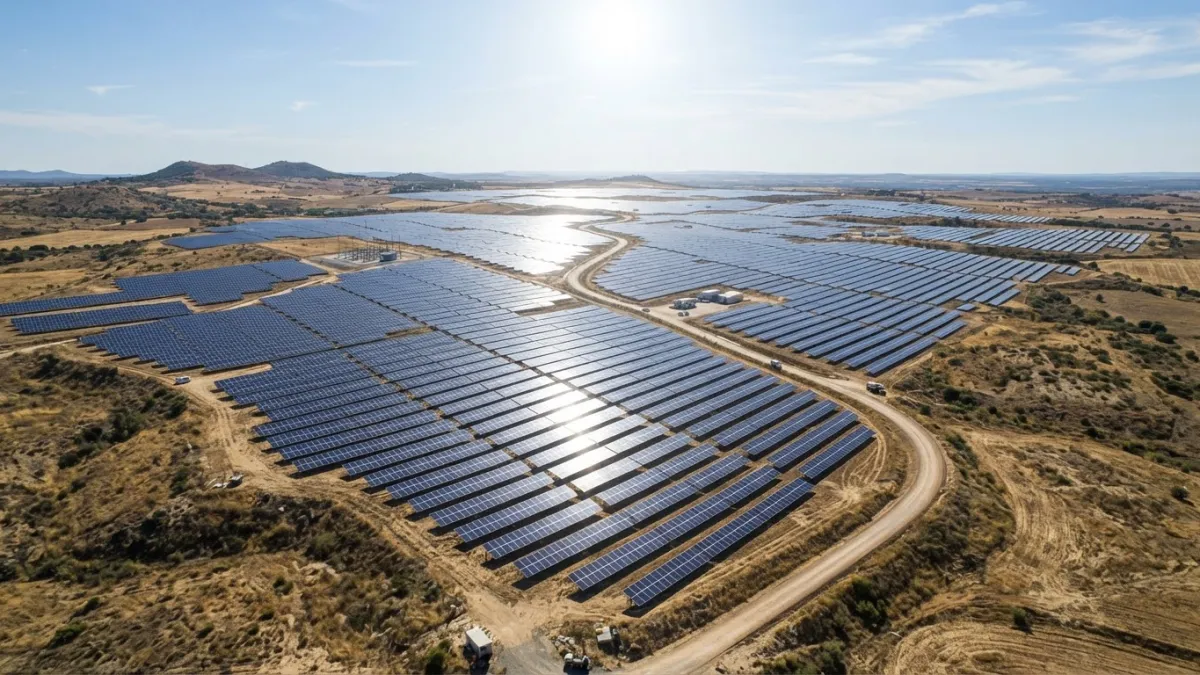
Recent actions, including the commencement of military operations in Iran by the United States and Israel in February 2026, have significantly accelerated the global transition away from fossil fuels. Even prior to this conflict, renewable energy sources were expanding in the US, despite opposition. Currently, solar generation is rising, coal consumption is declining, and a substantial 86 gigawatt hours (GWh) of renewable energy projects are planned.
The rise of electric vehicles (EVs) has been particularly notable. Fuel prices have surged alongside EV sales following the February conflict. Gabrielle Kuiper, an energy expert affiliated with the CSIRO and the ANU, commented, “I think Donald Trump is the best salesperson for electric vehicles the world has ever seen.”
EVs now account for nearly a quarter of new car sales globally, mirroring the trend in Australia where battery electric cars surpassed petrol car sales in September and October 2026. A significant EV boom is occurring in Southeast Asia, with countries like Vietnam, Singapore, Thailand, and Indonesia experiencing rapid sales growth. VinFast, a Vietnamese manufacturer, now dominates its domestic market and is expanding internationally.
While Australia has largely avoided fuel shortages, other nations have been impacted. With approximately three-quarters of the world reliant on imported fossil fuels, countries are implementing measures to reduce dependence. Laos suspended imports of internal combustion engine (ICE) vehicles in May, following Ethiopia’s ban in 2024. Europe has seen record EV sales, including 37 per cent in Germany, though concerns remain about competition from Chinese automakers. The US has seen a temporary decline in EV sales due to automakers reverting to ICE cars.
Beyond EVs, broader electrification is expanding. Solar energy accounted for nearly three-quarters of global electricity demand growth last year. Australia’s shift to battery power and the potential for a gas tax have lowered electricity prices, while other regions have seen prices rise due to disruptions in gas exports from Qatar. South Korea is investing heavily in renewables.
Anna Freeman from the Energy Efficiency Council highlighted the economic impact of the crisis, estimating the potential for a $1.2 trillion price premium on fossil fuels. She contrasts this with the $3.5 trillion cost of transitioning to a net-zero energy system, which would create a more efficient and secure energy infrastructure. The global electric car fleet has already saved an estimated $20 billion in crude oil costs since the US-Israel conflict began.
Despite progress, EVs represent only five per cent of vehicles on the road, and fossil fuels still supply about 60 per cent of the world’s energy. Electrification will be a key focus at the upcoming UN Conference of Parties (COP31). The UN aims for 35 per cent electrification by 2035. As COP31 president-designate Murat Kurum stated, “The world is entering the age of electricity. At COP31, we will flick the switch.”
Source
“Trump's war in Iran driving shift from fossil fuels”
Read the original report ↗This story was written with AI tools from the original report credited above and published after automatic checks. No person read it before it was published. If you spot an error, please tell us: corrections are published on our corrections page. Read our editorial policy · Report an error · Corrections
Read next

Climate negotiations begin amidst global energy crisis
World leaders have convened in Antalya, Turkey, for the annual United Nations climate conference, COP31, which will continue for the next two weeks…
Related

Caught up in five lines
The Brief: the day’s biggest stories, written by our desk at and .