Climate negotiations begin amidst global energy crisis
World leaders have convened in Antalya, Turkey, for the annual United Nations climate conference, COP31, which will continue for the next two weeks. This year’s discussions are occurring against the backdrop of an ongoing U.S.-Israeli conflict with Iran, now in its ninth month, and the resulting global energy crisis. The closure of the Strait of Hormuz has significantly impacted oil and natural gas prices, highlighting the vulnerabilities of fossil fuel dependence.

Analysts note that this energy shock differs from previous crises, such as those experienced in the 1970s and following Russia’s invasion of Ukraine in 2022. Kingsmill Bond, an energy analyst at Ember, emphasizes the availability of affordable solutions like solar panels, batteries, and electric vehicles. These technologies, largely produced in China, offer both economic security and reduced emissions, prompting a global shift towards them.
Bond suggests that the economic advantages of these climate technologies will facilitate broader support at COP31. “There’s much more opportunity, I think, for people to get behind change at COP,” he stated.
This year’s conference is largely focused on electrification, with a goal of increasing the global electrification rate from approximately 23% to around 35% by 2035. This transition relies on expanding renewable energy sources, a trend already gaining momentum due to the cost-competitiveness of solar and wind power compared to natural gas and coal, according to Lazard.
Many nations have criticized the U.N. process for not adequately addressing the primary driver of climate change: the burning of fossil fuels. Producers like Saudi Arabia and Russia have historically resisted language targeting fossil fuels in final agreements.
In April, over 50 countries participated in the First International Conference to Transition Away from Fossil Fuels, aiming to complement the U.N. process. More than 25 of these nations are developing a legally binding treaty to phase out fossil fuels, with hopes of expanding support at COP31.
The United States will not be sending a delegation to COP31, a decision the State Department attributed to similar absences from last year’s conference in Brazil. This follows actions by the Trump administration, which reversed climate progress by reducing subsidies for renewable energy and easing regulations on greenhouse gases. Senator Sheldon Whitehouse, a Democrat from Rhode Island, plans to advocate for addressing fossil fuel pollution and exploring carbon pricing mechanisms, stating, “It cannot remain free for the fossil fuel industry to pollute if we want to have any chance of a pathway to climate safety.”
Source
“U.N. climate talks begin today. Here are 3 things to know”
Read the original report ↗This story was written with AI tools from the original report credited above and published after automatic checks. No person read it before it was published. If you spot an error, please tell us: corrections are published on our corrections page. Read our editorial policy · Report an error · Corrections
Read next
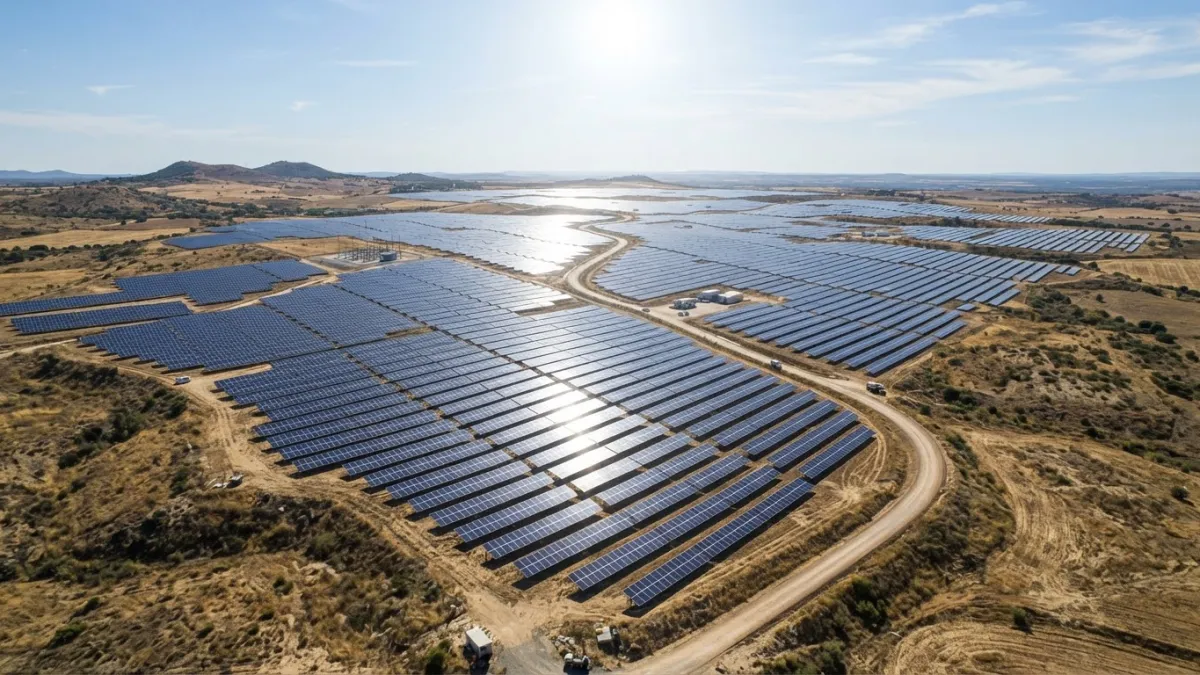
Geopolitical tensions accelerate global shift to electric power
In a striking echo of a past energy crisis, a speech delivered by former US President Jimmy Carter in 1979 regarding solar energy’s potential is…
Related

Caught up in five lines
The Brief: the day’s biggest stories, written by our desk at and .