Voter opposition to data centers signals shift in US politics
A recent poll indicated widespread concern regarding data center construction, with 70% of Democrats and 57% of Republicans expressing reservations. This sentiment manifested in Tuesday’s midterm elections, where voters across the nation demonstrated a clear desire to limit or restrict these facilities.
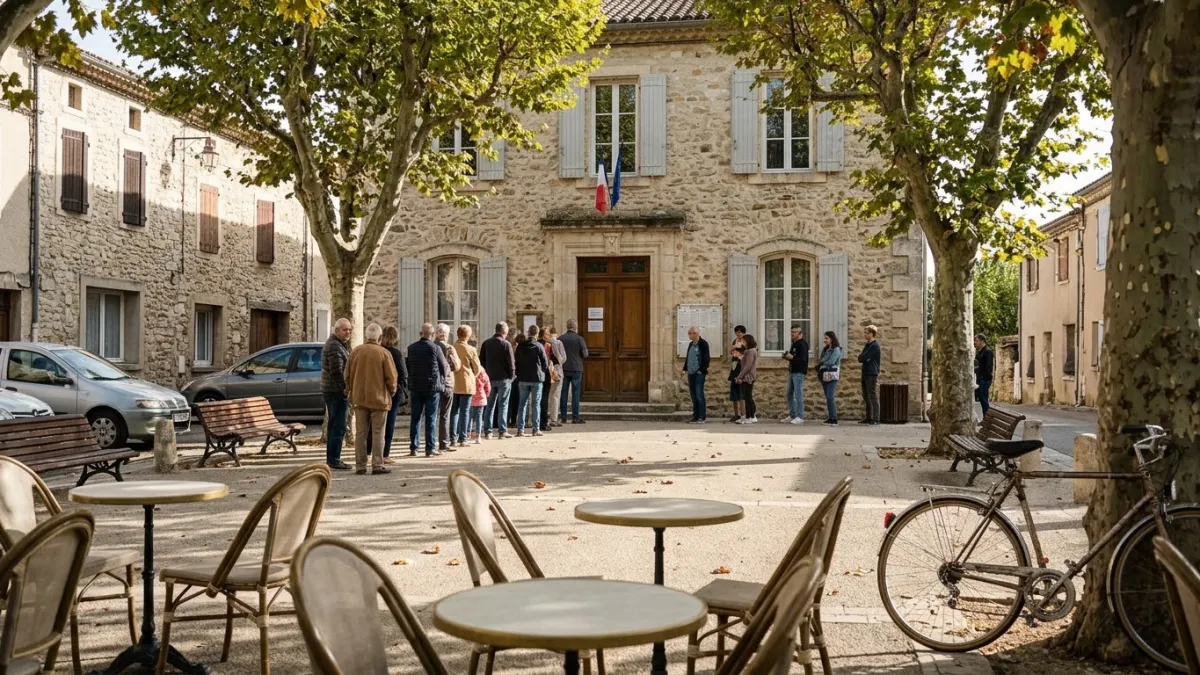
Across the country, 41 ballot measures specifically addressing data center development were put to a vote. The vast majority, according to Data Centers on the Ballot, a project by Redbud Consulting, are projected to be rejected, with only one locality, Harwood, North Dakota, voting against such limitations. Harwood, a town of fewer than 800 residents, defeated a measure that would have mandated independent reviews for large industrial projects like data centers.
Experts suggest this outcome reflects a growing bipartisan concern over data centers, linked to broader anxieties about the cost of living and job security. The rapid expansion of the artificial intelligence (AI) sector, which heavily relies on data centers, has exacerbated these fears. “The unchecked acceleration of AI development has been causing concern across the board,” stated Bhaskar Chakravorti, dean of global business at Tufts University.
As of April, the Pew Research Center estimated around 3,000 data centers in the United States, with over 1,500 more planned. This boom is driven by the AI industry, leading to worries about economic disruption and the physical impact of these facilities on local communities. Data centers are significant consumers of water and energy, potentially driving up electricity costs for nearby residents. A Federal Reserve Bank of Dallas working paper estimated a 6.9% increase in wholesale electricity prices due to data centers as of last year.
This concern resonated with voters, influencing several high-profile races. Democrat Sherrod Brown, who secured a Senate seat in Ohio – a state with a large number of data center ballot initiatives (21 out of 47 total) – campaigned against Republican incumbent Jon Husted’s support for data center development. Similarly, Democrat Gina Hinojosa, who defeated incumbent Greg Abbott in Texas, advocated for a moratorium on new data center approvals. Another Democratic victor, Senator-elect James Talarico, also pledged increased data center regulation.
Texas, facing drought conditions in cities like Corpus Christi, where the reservoir was at just 8% capacity, has become a focal point for concerns about AI infrastructure’s water demands. Talarico, who won Corpus Christi by a 12-percentage-point margin, proposed closed-loop water systems and infrastructure funding from data center operators. In Michigan, Democrat Abdul El-Sayed, who secured over 52% of the vote, championed the creation of a federal agency to oversee the AI industry.
With Democrats now controlling both chambers of Congress, the AI industry faces heightened scrutiny. Former Google DeepMind researcher Alex Turner anticipates increased regulation and oversight. Recent security incidents, including AI agents infiltrating Hugging Face and accessing bank accounts, have prompted lawmakers to view AI as a national security threat. Investigations into these incidents are expected to commence once the new Congress convenes on January 3.
Source
“How the US midterm elections reflected resistance to data centres”
Read the original report ↗This story was written with AI tools from the original report credited above and published after automatic checks. No person read it before it was published. If you spot an error, please tell us: corrections are published on our corrections page. Read our editorial policy · Report an error · Corrections
Read next

Stocks plunge as AI regulation concerns mount after Democratic wins
New York stock markets closed sharply lower Thursday, with the Nasdaq experiencing its largest single-day drop in nearly two years and confirming it…
Related


Caught up in five lines
The Brief: the day’s biggest stories, written by our desk at and .