Stimulant-containing drinks linked to increased heart risks in young adults
New research presented at the American Heart Association Scientific Sessions in Chicago, scheduled for November 6–9, 2026, indicates a potential link between energy drinks and supplements containing stimulants and a heightened risk of serious heart problems, particularly among young adults. The study, a retrospective observational analysis of over 28,000 reports submitted to the FDA concerning cardiovascular events, revealed concerning trends.
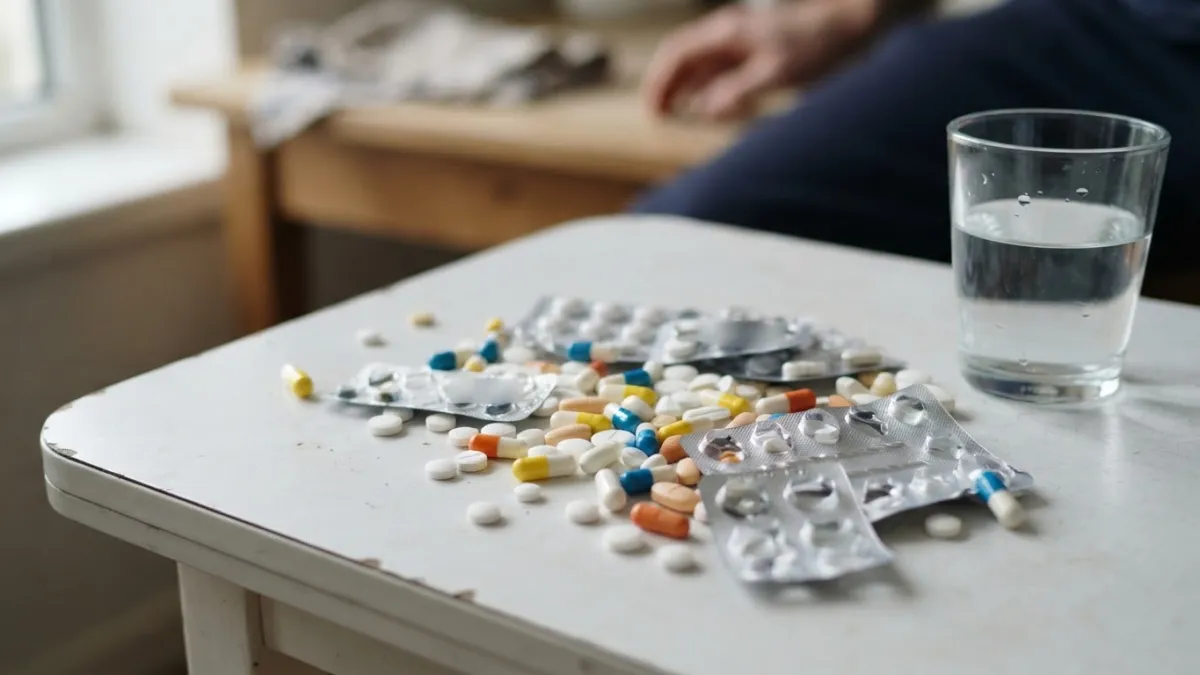
Reports involving products with caffeine or stimulants appeared approximately 11 times more frequently in cases of cardiac arrest compared to those without. Heart attacks were reported roughly 4.5 times more often, and ventricular arrhythmias or palpitations occurred about four times as often. Elevated heart rate, chest pain, and fainting were also observed more frequently in individuals consuming these substances.
Approximately 45% of reported cardiovascular events associated with stimulant products involved adults aged 18 to 34. The stimulants examined included caffeine, methylxanthines, guarana, yerba mate, synephrine, yohimbine, and other compounds, often found in beverages, shakes, bars, smoothies, and vitamins.
Dr. Colin Kane, a pediatric cardiologist, emphasized that these findings build upon previous case reports highlighting potential heart risks associated with high caffeine intake. He noted that while up to 400 mg of caffeine daily (equivalent to about five 8-ounce cups of coffee) is generally considered safe for adults, some energy drinks contain significantly higher amounts, and supplements can contain even more.
Dr. Pamela Benavidez, the study’s senior author, cautioned about the potential for interactions between caffeine and other stimulants like synephrine and yohimbine. She advises young people to monitor their consumption and be vigilant for symptoms such as palpitations, chest pain, lightheadedness, fainting, or irregular heartbeats. Individuals with pre-existing heart conditions or a family history of cardiac events should consult a doctor before using these products.
The study acknowledges limitations, including its observational nature, which prevents establishing causation. The FDA reports were voluntary, potentially leading to incomplete or biased data. Other factors, such as alcohol or drug use and undiagnosed heart conditions, may also play a role.
The American Beverage Association maintains that energy drinks are safe and recognized by global food safety agencies, citing a moderate daily caffeine intake of 400 milligrams as safe for adults. The Council for Responsible Nutrition also questioned the study’s conclusions, noting the analysis did not account for product usage patterns or the amount of caffeine per serving.
Source
“Popular drinks linked to heart attacks, cardiac arrest in young adults: study”
Read the original report ↗This story was written with AI tools from the original report credited above and published after automatic checks. No person read it before it was published. If you spot an error, please tell us: corrections are published on our corrections page. Read our editorial policy · Report an error · Corrections
Read next
FDA issues warning on weight loss drugs over potential vision loss risk
U.S. health regulators have announced a new warning will be added to the labeling of all drugs in the GLP-1 class, including popular medications…
Related


Caught up in five lines
The Brief: the day’s biggest stories, written by our desk at and .